Jiangsu Changpu Intelligent Technology Co., Ltd.

العربية

WhatsApp:
+86 18761195338

Select Language
العربية
الصفحة الرئيسية> الأخبار> داخل قاعدة إنتاج تشانغبو التي تبلغ مساحتها 20 ألف متر مربع: جولة كاملة في المصنع

داخل قاعدة إنتاج تشانغبو التي تبلغ مساحتها 20 ألف متر مربع: جولة كاملة في المصنع

2026,07,18
بالنسبة لمحترفي المشتريات في مجال B2B، لا يمكن لأي قدر من نسخ موقع الويب المصقول أن يحل محل الثقة المكتسبة من رؤية مصنع المورد بأعينهم. إن أرضية المصنع تحكي الحقيقة، فهي تكشف ما إذا كانت الشركة تقوم بالتصنيع حقًا أم مجرد إعادة البيع، وما إذا كانت مراقبة الجودة عملية موثقة أم شعارًا، وما إذا كانت القدرة الإنتاجية تتطابق مع الأرقام الموجودة في الكتيب. تأخذك هذه المقالة إلى داخل قاعدة إنتاج معدات الموجات فوق الصوتية التي تبلغ مساحتها 20000 متر مربع في مدينة تشانغتشو بمقاطعة جيانغسو، حيث تقدم شرحًا تفصيليًا لكيفية تصميم شركة Jiangsu Changpu Intelligent Technology وتصنيعها وتجميعها واختبارها وشحن آلاتها بالموجات فوق الصوتية.
الموقع ونظرة عامة على الموقع
تبدأ جولة مصنع Jiangsu Changpu في Changzhou China على بعد حوالي ساعتين برا من مطار Shanghai Pudong الدولي، في منطقة Jintan في مدينة Changzhou. تعد مدينة تشانغتشو واحدة من المدن الصناعية الرئيسية في مقاطعة جيانغسو، وتتمتع بسلسلة توريد ناضجة لمكونات الآلات الدقيقة، وأنظمة التحكم الإلكترونية، ومعدات الأتمتة الصناعية. تعني ميزة الموقع هذه أن شركة Changpu تحصل على مواد خام عالية الجودة ومكونات متخصصة - الفولاذ، ومقاطع الألمنيوم، ومولدات الموجات فوق الصوتية، والمحركات المؤازرة، ووحدات التحكم PLC - من الموردين المحليين الذين تم فحصهم بخطوط أنابيب لوجستية قصيرة، مما يقلل من تكلفة المواد ومدة الشراء.
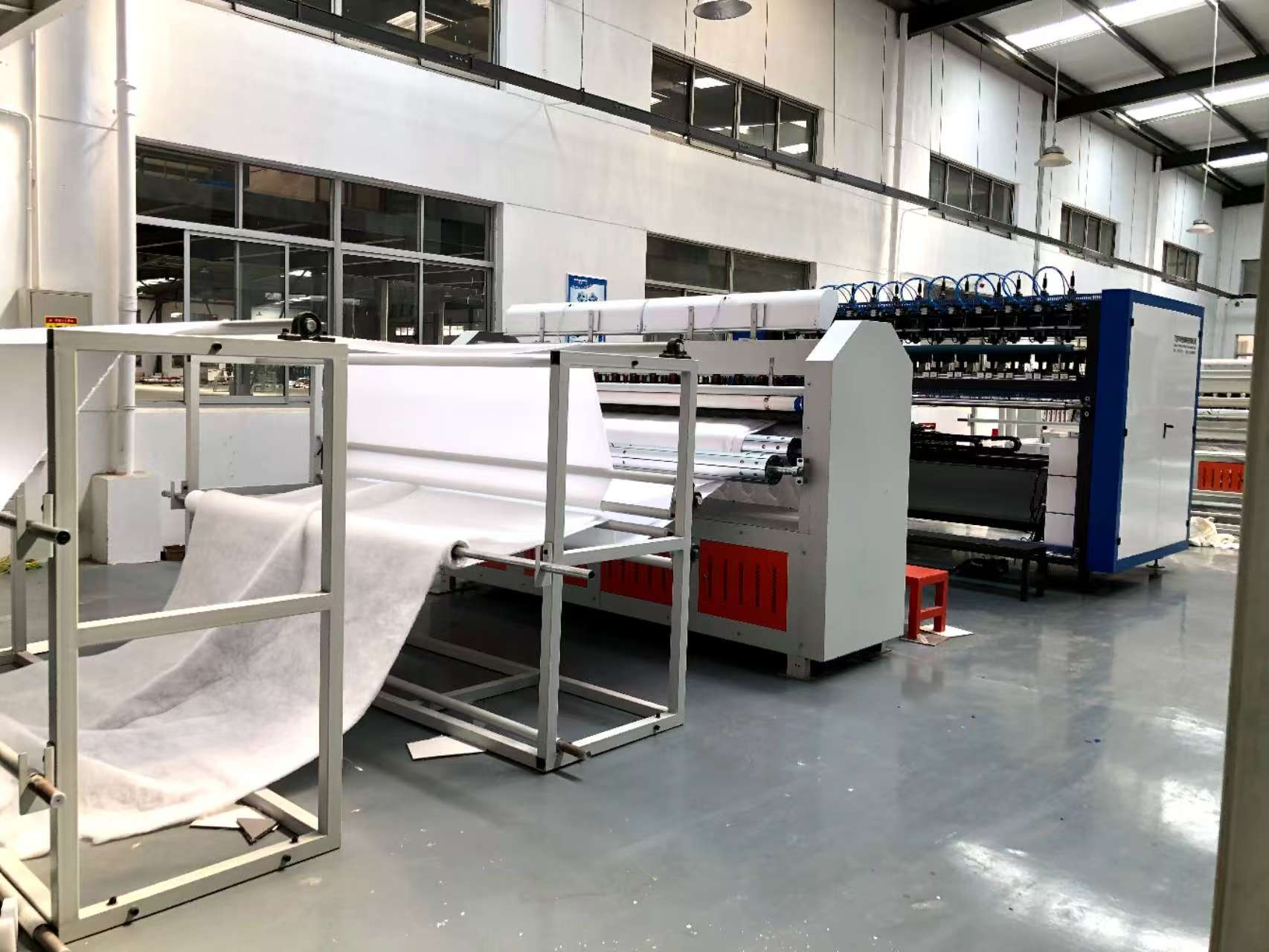
يحتل المصنع مبنى صناعي موحد بمساحة أرضية إجمالية تبلغ 20,000 متر مربع. يتم تنظيم المنشأة في ست مناطق وظيفية، متصلة بتدفق منطقي للمواد ينتقل من استلام المواد الخام من جهة إلى تعبئة المنتج النهائي وإرساله من جهة أخرى. يقلل هذا التخطيط الخطي من معالجة المواد، ويقلل من خطر التلوث المتبادل بين مراحل التجميع، ويسمح لكل منطقة بالعمل بشكل مستقل دون خلق اختناقات للعمليات المجاورة.
For B2B procurement professionals, no amount of polished website copy can replace the confidence gained from seeing a supplier's factory with their own eyes. The factory floor tells the truth — it reveals whether a company truly manufactures or merely resells, whether quality control is a documented process or a slogan, and whether production capacity matches the numbers on the brochure. This article takes you inside the Changpu 20000 sqm ultrasonic equipment production base in Changzhou, Jiangsu Province, providing a section-by-section walkthrough of how Jiangsu Changpu Intelligent Technology designs, fabricates, assembles, tests, and ships its ultrasonic machinery. Location and Site Overview The Jiangsu Changpu factory tour Changzhou China begins approximately two hours by road from Shanghai Pudong International Airport, in the Jintan District of Changzhou City. Changzhou is one of Jiangsu Province's key manufacturing cities, with a mature supply chain for precision machinery components, electronic control systems, and industrial automation equipment. This location advantage means Changpu sources high-quality raw materials and specialized components — steel, aluminum profiles, ultrasonic generators, servo motors, PLC controllers — from vetted local suppliers with short logistics pipelines, reducing both material cost and procurement lead time. The factory occupies a standardized industrial building with a total floor area of 20,000 square meters. The facility is organized into six functional zones, connected by a logical material flow that moves from raw material receiving on one end to finished product packaging and dispatch on the other. This linear layout minimizes material handling, reduces the risk of cross-contamination between assembly stages, and allows each zone to operate independently without creating bottlenecks for adjacent processes. Zone 1: Raw Material Receiving and Inspection Before any manufacturing begins, incoming materials pass through a dedicated receiving and inspection bay. Steel plates and profiles destined for machine frames are checked for dimensional accuracy, surface finish, and material certification. Aluminum components — used extensively in ultrasonic horn assemblies and guide rails — undergo hardness testing and surface quality verification. Electronic components, including ultrasonic generators from the 15kHz to 35kHz frequency range, servo drives, touchscreen HMIs, and safety relays, are tested for function and compatibility before being released to the production floor. This incoming inspection process is documented and traceable. Each material batch receives a unique identifier linked to its supplier, delivery date, and inspection results. If a quality issue is detected during production or after delivery, this traceability system allows Changpu to identify the affected batch and scope of any potential impact. For buyers evaluating an ultrasonic machine manufacturing facility CE certified to European standards, this level of material traceability is a baseline expectation — and Changpu's incoming QC process meets it. Zone 2: CNC Machining Center The machining center is where raw metal becomes precision components. Changpu operates multiple CNC machining centers in-house, capable of milling, turning, drilling, and grinding the structural and functional parts that form the backbone of every ultrasonic machine the company produces. Key components manufactured in this zone include ultrasonic horn bodies, anvil wheels for quilting machines, cutting blade holders for tape cutting machines, roller assemblies for sanitary napkin production lines, and frame mounting plates. By machining these parts internally rather than outsourcing them, Changpu achieves two critical advantages. First, dimensional tolerances are controlled within the facility, eliminating the variance that occurs when multiple external suppliers each interpret a specification slightly differently. Second, lead times for custom and OEM orders are shortened because there is no dependency on external machine shops that may have their own backlogs and scheduling priorities. The presence of in-house CNC capability is one of the most reliable indicators that a company is a genuine manufacturer rather than an assembler of purchased components. For B2B buyers concerned about distinguishing factories from trading companies, the machining center is the place to look. Zone 3: Electrical and Control System Integration Adjacent to the machining center, the electrical integration zone is where ultrasonic generators, motor drives, PLC controllers, touchscreen interfaces, and safety systems are assembled, wired, and programmed. Each machine type has a standardized electrical architecture, but the integration team customizes control parameters — operating frequency, amplitude settings, conveyor speed, temperature thresholds — based on the specific material and application the customer has specified. Changpu's control systems are built around industrial PLC platforms with HMI touchscreen interfaces. Operators can adjust welding parameters, monitor production counts, and receive fault diagnostics through the touchscreen. For machines destined for export markets, the interface language and measurement units (millimeters vs inches, Celsius vs Fahrenheit) are configured during this stage based on the buyer's preference. The electrical zone also handles safety system integration. Emergency stop circuits, light curtains on cutting machines, temperature cutoffs on ultrasonic generators, and overcurrent protection are all wired and tested here. CE certification requires documented verification of every safety circuit, and Changpu's QC team performs these tests before a machine leaves the electrical zone. Zone 4: Mechanical Assembly Lines The mechanical assembly floor is the largest zone in the Changpu 20000 sqm ultrasonic equipment production base, housing 15 dedicated production lines arranged by product category. Each line is configured for a specific machine type or family, with the tooling, jigs, and test fixtures permanently installed to support efficient assembly and changeover. The assembly process follows a station-based workflow. At Station 1, the machine frame is positioned and leveled. Station 2 installs the mechanical drive system — motors, gearboxes, belts, chains, and guide rails. Station 3 mounts the ultrasonic assembly, including the generator, transducer, booster, and horn or roller. Station 4 integrates the control panel and electrical connections. Station 5 handles pneumatic systems for machines that use air cylinders for clamping, lifting, or material feeding. Final assembly at Station 6 involves fitting guards, covers, and safety enclosures. This station-based approach offers several advantages for B2B buyers. First, it standardizes assembly quality — every machine of the same model goes through the same steps in the same sequence. Second, it enables parallel production of different machine types, which means a buyer ordering a sanitary napkin production line is not delayed because another customer's quilting machine order is occupying the same assembly space. Third, it allows Changpu to scale output by adding shifts without reconfiguring the entire floor. Zone 5: Quality Control and Operational Testing The quality control zone is where every machine must prove itself before it earns a packing crate. Changpu employs a QC team of 5 to 10 dedicated inspectors who conduct multi-point verification at critical stages throughout the production process — but the final operational test in Zone 5 is the definitive gate. For an ultrasonic quilting machine, the test involves running multiple layers of non-woven fabric or textile material through the machine at the rated speed, then inspecting the bond pattern for consistency, bond strength, and absence of burn marks or skipped welds. For a sanitary napkin production line, the test is a full production trial — raw materials are loaded, the line is run at the specified throughput, and the output pads are checked for dimensional accuracy, seal integrity, absorbent core positioning, and folding precision. For a computerized tape cutting machine, hundreds of cuts are performed and measured to verify length accuracy and edge quality. This operational testing serves two purposes. For Changpu, it validates that the machine meets specifications before shipment. For the buyer, it means the machine has already resolved its early-life issues — a machine that survives a production trial at the factory is significantly less likely to experience commissioning problems at the buyer's facility. The test data — throughput achieved, defect rate, parameter settings — is recorded and can be shared with the buyer as part of the pre-shipment documentation. Zone 6: Packaging, Documentation, and Dispatch After passing QC, each machine moves to the packaging zone for export preparation. Machines are wrapped in VCI anti-corrosion film, secured to pallets or skids, and enclosed in export-grade plywood crates with internal bracing to prevent movement during transit. Moisture-absorbing desiccant packs are included for sea freight shipments. Each crate is labeled with handling instructions, weight, dimensions, and destination information. Accompanying each shipment is a documentation package that typically includes the commercial invoice, packing list, bill of lading or airway bill, CE certificate of conformity, machine manual and spare parts list, and installation and commissioning guide. For L/C transactions, Changpu prepares documents in strict accordance with the letter of credit terms to ensure smooth payment processing. The factory ships under FOB and EXW terms. Under FOB, Changpu handles inland transportation to the port of departure and export customs clearance. Under EXW, the buyer arranges collection from the factory gate. Both options give buyers flexibility depending on their freight forwarding relationships and cost preferences. What a Factory Visit Reveals For B2B buyers taking a Jiangsu Changpu factory tour Changzhou China, several indicators separate a well-run operation from a marginal one. The organization of the production floor — clean demarcation between zones, labeled storage locations, visible work instructions at each station — signals management discipline. The condition of the equipment — well-maintained CNC machines, organized tool carts, calibration stickers on measuring instruments — reflects investment in quality infrastructure. The demeanor of the workforce — focused, communicative, following documented procedures — indicates experienced supervision and a stable operating culture. Changpu's facility demonstrates these indicators. The 20,000-square-meter space is utilized efficiently without feeling overcrowded. Material flows logically from receiving to dispatch. The QC zone operates with documented checklists rather than ad-hoc inspection. And the presence of multiple machines in various stages of assembly — some in early mechanical build, others in final testing — confirms that the factory is actively producing, not just maintaining a showroom.
المنطقة 1: استلام المواد الخام وفحصها
قبل بدء أي عملية تصنيع، تمر المواد الواردة عبر منطقة مخصصة للاستلام والفحص. يتم فحص الألواح والمقاطع الفولاذية المخصصة لإطارات الماكينة للتأكد من دقة الأبعاد وتشطيب السطح وشهادة المواد. تخضع مكونات الألومنيوم - المستخدمة على نطاق واسع في مجموعات البوق بالموجات فوق الصوتية وقضبان التوجيه - لاختبار الصلابة والتحقق من جودة السطح. يتم اختبار المكونات الإلكترونية، بما في ذلك مولدات الموجات فوق الصوتية من نطاق التردد 15 كيلو هرتز إلى 35 كيلو هرتز، ومحركات الأقراص المؤازرة، وشاشات HMI التي تعمل باللمس، ومرحلات الأمان، من حيث الوظيفة والتوافق قبل إطلاقها إلى أرضية الإنتاج.
عملية التفتيش الواردة هذه موثقة ويمكن تتبعها. تتلقى كل دفعة مادة معرفًا فريدًا مرتبطًا بموردها وتاريخ التسليم ونتائج الفحص. إذا تم اكتشاف مشكلة في الجودة أثناء الإنتاج أو بعد التسليم، فإن نظام التتبع هذا يسمح لشركة Changpu بتحديد الدفعة المتأثرة ونطاق أي تأثير محتمل. بالنسبة للمشترين الذين يقومون بتقييم منشأة لتصنيع آلات الموجات فوق الصوتية المعتمدة من CE وفقًا للمعايير الأوروبية، فإن هذا المستوى من إمكانية تتبع المواد هو توقع أساسي - وتفي عملية مراقبة الجودة الواردة من Changpu بذلك.
المنطقة 2: مركز التصنيع باستخدام الحاسب الآلي
مركز المعالجة هو المكان الذي يصبح فيه المعدن الخام مكونات دقيقة. تقوم شركة Changpu بتشغيل العديد من مراكز التصنيع باستخدام الحاسب الآلي داخل الشركة، وهي قادرة على طحن، وتدوير، وحفر، وطحن الأجزاء الهيكلية والوظيفية التي تشكل العمود الفقري لكل آلة تعمل بالموجات فوق الصوتية تنتجها الشركة.
تشمل المكونات الرئيسية المصنعة في هذه المنطقة أجسام القرن بالموجات فوق الصوتية، وعجلات السندان لآلات خياطة اللحف، وحاملات شفرات القطع لآلات قطع الأشرطة، وتجميعات الأسطوانة لخطوط إنتاج الفوط الصحية، وألواح تثبيت الإطار. ومن خلال تصنيع هذه الأجزاء داخليًا بدلاً من الاستعانة بمصادر خارجية، تحقق شركة Changpu ميزتين مهمتين. أولاً، يتم التحكم في تفاوتات الأبعاد داخل المنشأة، مما يؤدي إلى القضاء على التباين الذي يحدث عندما يفسر كل من الموردين الخارجيين المتعددين المواصفات بشكل مختلف قليلاً. ثانيًا، يتم تقصير المهل الزمنية للطلبات المخصصة وطلبات تصنيع المعدات الأصلية نظرًا لعدم وجود اعتماد على ورش الآلات الخارجية التي قد يكون لها أعمال متراكمة وأولويات جدولة خاصة بها.
يعد وجود قدرة CNC داخلية أحد المؤشرات الأكثر موثوقية على أن الشركة هي شركة مصنعة حقيقية وليست مجمعة للمكونات المشتراة. بالنسبة للمشترين الذين يعملون في مجال B2B والذين يهتمون بتمييز المصانع عن الشركات التجارية، فإن مركز التصنيع هو المكان المناسب للبحث.
المنطقة 3: تكامل الأنظمة الكهربائية والتحكم
بجوار مركز التصنيع، توجد منطقة التكامل الكهربائي حيث يتم تجميع وتوصيل وبرمجة مولدات الموجات فوق الصوتية، ومحركات المحركات، ووحدات التحكم PLC، وواجهات شاشات اللمس، وأنظمة السلامة. يتمتع كل نوع من الآلات ببنية كهربائية موحدة، لكن فريق التكامل يقوم بتخصيص معلمات التحكم - تردد التشغيل، وإعدادات السعة، وسرعة الناقل، وعتبات درجة الحرارة - بناءً على المادة المحددة والتطبيق الذي حدده العميل.
أنظمة التحكم الخاصة بشركة Changpu مبنية على منصات PLC الصناعية مع واجهات شاشة اللمس HMI. يمكن للمشغلين ضبط معلمات اللحام ومراقبة أعداد الإنتاج وتلقي تشخيصات الأخطاء من خلال شاشة اللمس. بالنسبة للآلات المخصصة لأسواق التصدير، يتم تكوين لغة الواجهة ووحدات القياس (المليمتر مقابل البوصة، مئوية مقابل فهرنهايت) خلال هذه المرحلة بناءً على تفضيلات المشتري.
تتعامل المنطقة الكهربائية أيضًا مع تكامل نظام السلامة. دوائر التوقف في حالات الطوارئ، والستائر الخفيفة على آلات القطع، وقطع درجات الحرارة على مولدات الموجات فوق الصوتية، والحماية من التيار الزائد، جميعها يتم توصيلها واختبارها هنا. تتطلب شهادة CE التحقق الموثق لكل دائرة أمان، ويقوم فريق مراقبة الجودة في Changpu بإجراء هذه الاختبارات قبل مغادرة الآلة للمنطقة الكهربائية.
المنطقة 4: خطوط التجميع الميكانيكية
تعتبر أرضية التجميع الميكانيكي أكبر منطقة في قاعدة إنتاج معدات الموجات فوق الصوتية بمساحة 20000 متر مربع في Changpu، حيث تحتوي على 15 خط إنتاج مخصص مرتبة حسب فئة المنتج. يتم تكوين كل خط ليناسب نوع ماكينة معين أو عائلة معينة، مع تثبيت الأدوات والأدوات وتركيبات الاختبار بشكل دائم لدعم التجميع والتغيير الفعالين.
تتبع عملية التجميع سير العمل القائم على المحطة. في المحطة 1، يتم تحديد موضع إطار الماكينة وتسويته. تقوم المحطة 2 بتثبيت نظام الدفع الميكانيكي — المحركات، وعلب التروس، والأحزمة، والسلاسل، وقضبان التوجيه. تقوم المحطة 3 بتركيب مجموعة الموجات فوق الصوتية، بما في ذلك المولد ومحول الطاقة والمعزز والبوق أو الأسطوانة. تدمج المحطة 4 لوحة التحكم والتوصيلات الكهربائية. تتعامل المحطة 5 مع الأنظمة الهوائية للآلات التي تستخدم أسطوانات الهواء للتثبيت أو الرفع أو تغذية المواد. يتضمن التجميع النهائي في المحطة 6 تركيب الواقيات والأغطية ومرفقات السلامة.
يوفر هذا النهج القائم على المحطة العديد من المزايا لمشتري B2B. أولاً، تعمل على توحيد جودة التجميع - حيث تمر كل آلة من نفس الطراز بنفس الخطوات وبنفس التسلسل. ثانيًا، إنها تمكن الإنتاج المتوازي لأنواع مختلفة من الآلات، مما يعني أن المشتري الذي يطلب خط إنتاج الفوط الصحية لا يتأخر لأن طلب آلة خياطة اللحف لعميل آخر يشغل نفس مساحة التجميع. ثالثًا، يسمح لـ Changpu بتوسيع نطاق الإنتاج عن طريق إضافة نوبات العمل دون إعادة تشكيل الطابق بأكمله.
المنطقة 5: مراقبة الجودة والاختبارات التشغيلية
منطقة مراقبة الجودة هي المكان الذي يجب أن تثبت فيه كل آلة نفسها قبل أن تحصل على صندوق التعبئة. توظف شركة Changpu فريقًا لمراقبة الجودة يتكون من 5 إلى 10 مفتشين متخصصين يقومون بإجراء التحقق متعدد النقاط في المراحل الحرجة طوال عملية الإنتاج - ولكن الاختبار التشغيلي النهائي في المنطقة 5 هو البوابة النهائية.
بالنسبة لآلة خياطة اللحف بالموجات فوق الصوتية، يتضمن الاختبار تشغيل طبقات متعددة من القماش غير المنسوج أو المواد النسيجية عبر الماكينة بالسرعة المقدرة، ثم فحص نمط الرابطة للتأكد من الاتساق وقوة الرابطة وغياب علامات الحرق أو اللحامات المتخطية. بالنسبة لخط إنتاج الفوط الصحية، يكون الاختبار عبارة عن تجربة إنتاج كاملة - يتم تحميل المواد الخام، وتشغيل الخط عند الإنتاجية المحددة، ويتم فحص منصات الإخراج للتأكد من دقة الأبعاد، وسلامة الختم، وتحديد موضع قلب الامتصاص، ودقة الطي. بالنسبة لآلة قطع الأشرطة المحوسبة، يتم إجراء مئات القطع وقياسها للتحقق من دقة الطول وجودة الحافة.
يخدم هذا الاختبار التشغيلي غرضين. بالنسبة لـ Changpu، فإنه يتحقق من أن الآلة تلبي المواصفات قبل الشحن. بالنسبة للمشتري، فهذا يعني أن الآلة قد قامت بالفعل بحل مشكلاتها المبكرة - فالآلة التي تنجو من تجربة الإنتاج في المصنع تكون أقل عرضة بشكل كبير لمواجهة مشكلات التشغيل في منشأة المشتري. يتم تسجيل بيانات الاختبار — الإنتاجية المحققة ومعدل العيوب وإعدادات المعلمات — ويمكن مشاركتها مع المشتري كجزء من وثائق ما قبل الشحن.
المنطقة 6: التغليف والتوثيق والإرسال
بعد اجتياز مراقبة الجودة، تنتقل كل آلة إلى منطقة التعبئة والتغليف لتحضير التصدير. يتم تغليف الآلات بغلاف مضاد للتآكل من VCI، ويتم تثبيتها على المنصات أو ألواح التزلج، ويتم وضعها في صناديق من الخشب الرقائقي من فئة التصدير مع دعامات داخلية لمنع الحركة أثناء النقل. يتم تضمين عبوات المجففة الممتصة للرطوبة في شحنات الشحن البحري. يتم وضع علامة على كل صندوق بتعليمات التعامل والوزن والأبعاد ومعلومات الوجهة.
تصاحب كل شحنة حزمة وثائق تتضمن عادةً الفاتورة التجارية وقائمة التعبئة وبوليصة الشحن أو بوليصة الشحن الجوي وشهادة المطابقة CE ودليل الماكينة وقائمة قطع الغيار ودليل التثبيت والتشغيل. بالنسبة لمعاملات خطاب الاعتماد، تقوم شركة Changpu بإعداد المستندات وفقًا صارمًا لشروط خطاب الاعتماد لضمان معالجة الدفع بسلاسة.
يتم شحن المصنع بموجب شروط FOB وEXW. بموجب FOB، تقوم Changpu بمعالجة النقل الداخلي إلى ميناء المغادرة والتخليص الجمركي للتصدير. بموجب EXW، يقوم المشتري بترتيب عملية الاستلام من بوابة المصنع. يمنح كلا الخيارين المشترين المرونة اعتمادًا على علاقات الشحن وتفضيلات التكلفة.
Jiangsu Changpu factory tour Changzhou China
ما تكشفه زيارة المصنع
بالنسبة للمشترين من الشركات الذين يقومون بجولة في مصنع Jiangsu Changpu في Changzhou بالصين، هناك عدة مؤشرات تفصل بين عملية جيدة الإدارة وعملية هامشية. إن تنظيم أرضية الإنتاج - الترسيم النظيف بين المناطق، ومواقع التخزين الموضحة، وتعليمات العمل المرئية في كل محطة - يشير إلى انضباط الإدارة. إن حالة المعدات - آلات CNC التي تتم صيانتها بشكل جيد، وعربات الأدوات المنظمة، وملصقات المعايرة على أدوات القياس - تعكس الاستثمار في البنية التحتية للجودة. يشير سلوك القوى العاملة - المركز، والتواصل، واتباع الإجراءات الموثقة - إلى الإشراف ذو الخبرة وثقافة التشغيل المستقرة.
توضح منشأة تشانغبو هذه المؤشرات. يتم استغلال المساحة البالغة 20 ألف متر مربع بكفاءة دون الشعور بالازدحام. تتدفق المواد بشكل منطقي من الاستلام إلى الإرسال. تعمل منطقة مراقبة الجودة باستخدام قوائم مرجعية موثقة بدلاً من التفتيش المخصص. ويؤكد وجود آلات متعددة في مراحل مختلفة من التجميع - بعضها في مرحلة البناء الميكانيكي المبكر، والبعض الآخر في الاختبار النهائي - أن المصنع ينتج بنشاط، وليس مجرد صيانة صالة عرض.
كونسنا

مؤلف:

Mr. zhu

بريد إلكتروني:

jp@jsjiapu.com

Phone/WhatsApp:

+86 18761195338

المنتجات الشعبية
قد تعجبك أيضًا
الفئات ذات الصلة

البريد الإلكتروني لهذا المورد

الموضوع:
الالكتروني:
رسالة:

يجب أن تكون رسالتك بين 20-8000 الأحرف

كونسنا
الاشتراك
تابعنا
We will contact you immediately

Fill in more information so that we can get in touch with you faster

Privacy statement: Your privacy is very important to Us. Our company promises not to disclose your personal information to any external company with out your explicit permission.

إرسال